
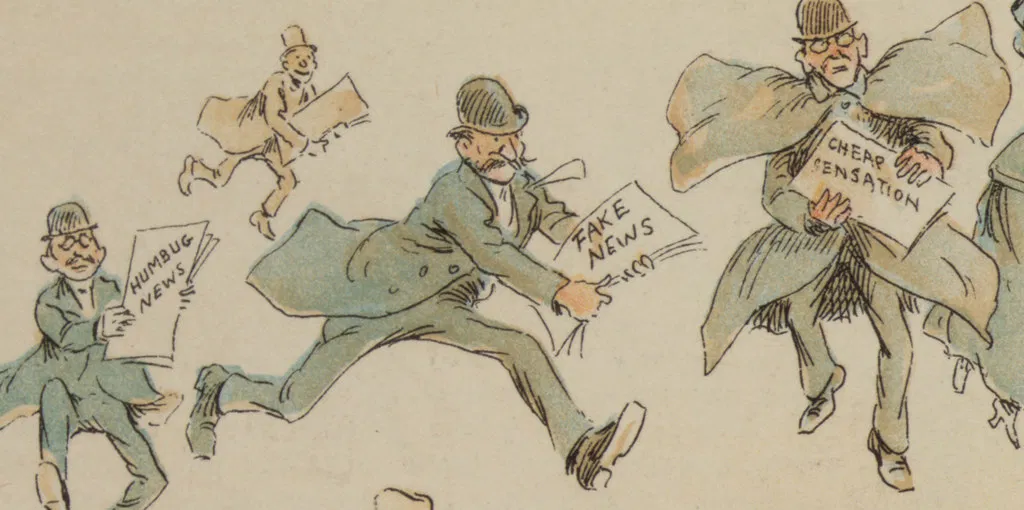
It’s easy to see why the idea that “all media is propaganda” has taken hold. When the news feels chaotic or contradictory, flattening everything into one big cynical take can feel like self‑defense. But if you look at how newsrooms actually function, the picture is a lot less dramatic and a lot more human.
Even outlets that genuinely aim for neutrality still make editorial choices that shape what we read. Decisions about what to include, what to shorten, and what to leave out aren’t ideological plots. They’re the unavoidable result of trying to compress a firehose of information into something people can absorb. Bias isn’t always loud. Sometimes it’s structural.
Editors also make subjective decisions every day. Which expert gets quoted. Which study gets linked. Whether a story deserves a sentence or a full paragraph. None of that is sabotage. It’s just the reality of curation in a world overflowing with data.
Media‑bias researchers don’t even use the word “unbiased.” They talk about balanced positioning instead. Total neutrality isn’t realistic. Every newsroom has constraints, blind spots, and priorities. The goal isn’t perfection. It’s transparency and consistency.
This is where the “all media is propaganda” claim falls apart. Propaganda is intentional manipulation. It’s messaging designed to steer you toward a specific conclusion while pretending to be neutral. Most newsrooms aren’t doing that. They’re doing something far more mundane: making judgment calls under time pressure with imperfect information. That’s not propaganda. That’s human.
But the cynicism didn’t come from nowhere. When different outlets frame the same event differently, it’s easy to assume someone is lying. In reality, framing itself is a form of bias, not because it’s deceptive, but because storytelling requires perspective. Even deciding what counts as “newsworthy” is a value judgment.
Instead of defaulting to “everything is propaganda,” it’s healthier, and far more accurate, to practice critical reading. Look at sourcing. Look at framing. Look at what’s missing. Bias isn’t a moral failure. It’s a feature of communication. Understanding how it works makes us harder to mislead and better equipped to navigate the noise.
The point isn’t to trust everything. It’s to understand the mechanics. Once you see how news is assembled, the landscape becomes less mysterious and a lot more navigable. You stop expecting purity and start looking for patterns. And that’s when the whole system becomes easier to read.
Analysis based on reporting from Snopes: “Is 1440 News Unbiased?” (2024).

Leave a Reply